Car lockout assistance: why it happens and how to avoid the next one
Few things disrupt a day like the moment you realise your keys are inside a locked car. The feeling is immediate frustration, then a scramble for solutions. Car lockouts rank among the most common roadside troubles, affecting drivers across all ages and vehicle types. Understanding why they happen is the first step toward preventing them. And knowing what to expect from car lockout assistance can make the situation far less stressful when it does occur.
Why lockouts happen more often than you think
Lockouts are rarely the result of a single dramatic event. Most stem from simple habits that go unnoticed until they cause trouble. The most frequent cause is leaving keys in the ignition or on the seat while closing the door. A split-second distraction, a phone call, or an armful of shopping bags can lead to that sickening click of the latch engaging with the keys still inside.
Modern vehicles with keyless entry systems bring their own risks. Drivers may step out with the key fob in a bag or pocket, close the door, and discover the car has auto-locked. Some models require the fob to be within a certain range for the door to open again. If the fob battery is low or the signal is blocked, the system may not respond as expected. A seemingly minor detail - like leaving the fob on the passenger seat - can trigger a lockout.
Faulty door locks are another common culprit. A worn latch mechanism, a frozen lock cylinder in winter, or a broken actuator inside the door panel can leave a door stuck shut or unable to open. Over time, dirt and corrosion affect the internal components, especially in older vehicles or those driven in harsh climates.
Broken keys also cause lockouts. A key can snap off inside the lock cylinder, leaving part of the key protruding or wedged inside. Attempting to remove it with pliers or tweezers often pushes the broken piece deeper, making the situation worse. In such cases, the car may be locked even if the engine is off, and the broken key prevents the lock from turning.
How car lockout assistance works
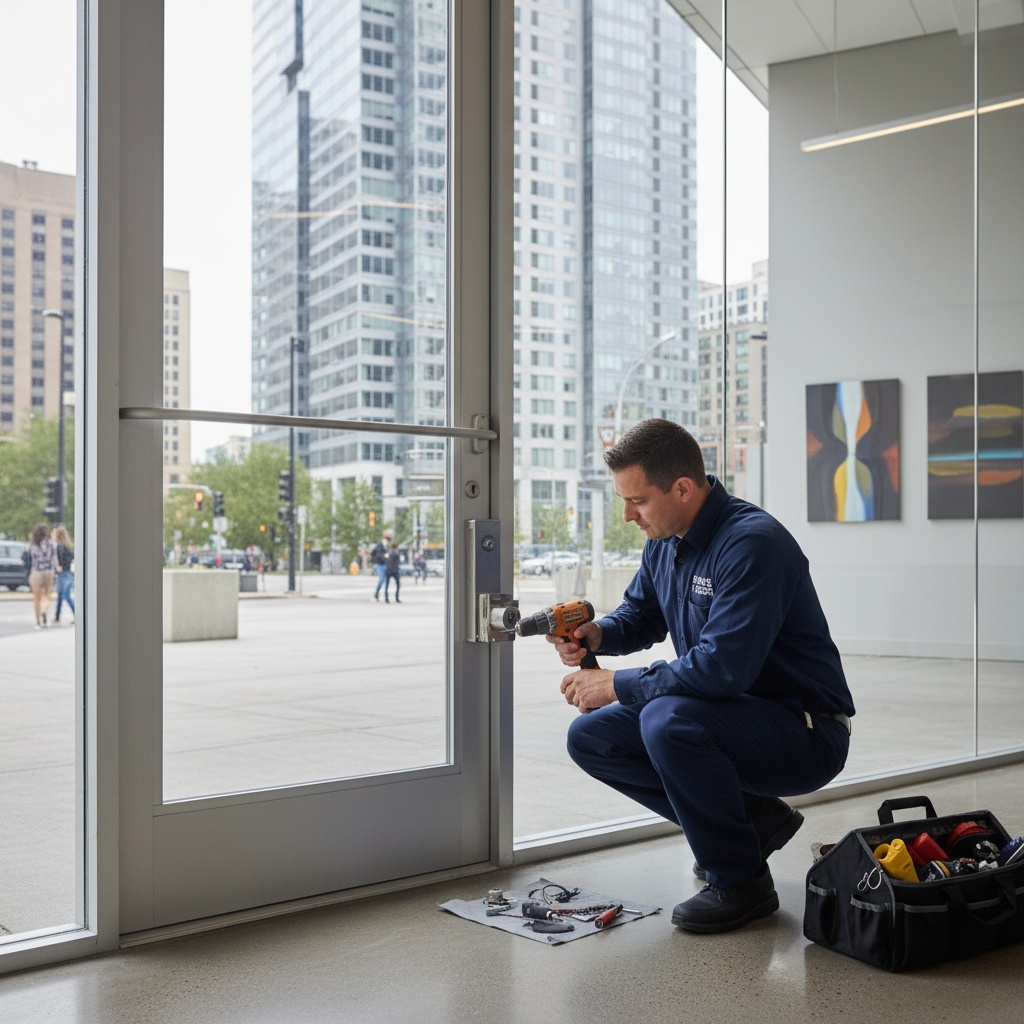
Professional car lockout assistance is designed to get you back inside your vehicle quickly and without damage. A mobile locksmith arrives at your location with specialised tools and training to handle a wide range of lock and key problems. The process typically begins with a phone call, during which the locksmith confirms your location, the make and model of your car, and the type of lock or key system involved.
Upon arrival, the locksmith assesses the situation. For standard mechanical locks, they use tools like wedges and long-reach tools to manipulate the interior door handle or unlock button through a small gap at the top of the window. This method is fast and avoids damaging the paint, window seal, or weatherstripping. For vehicles with electronic locks or transponder keys, the locksmith may use diagnostic equipment to communicate with the car's immobiliser system and reprogram or bypass the lock mechanism.
In cases where a broken key is the issue, the locksmith can extract the broken piece from the lock cylinder using specialised extractors. They then cut a new key on the spot, programming the transponder if needed. This is far more efficient than trying to remove the broken key yourself, which risks further damage to the lock.
Identification is a standard part of the process. A reputable service will ask for proof of ownership - typically a vehicle registration or driver's licence - before performing any work. This protects both you and the locksmith, ensuring the vehicle belongs to you. It is a good idea to have your documents handy when you call.
What it means for the reader
Understanding how car lockout assistance works helps you know what to expect and how to prepare. When you call for help, you are not just paying for someone to open a door. You are paying for expertise, the right tools, and a solution that avoids damage to your vehicle. A professional mobile locksmith can handle everything from a simple unlock to a broken key extraction to an electronic key fob issue - all at your location.
Response time is a key factor. Many services aim to reach you within thirty to forty minutes in urban areas. After hours service is available from most locksmiths, which is important because lockouts do not follow a nine-to-five schedule. They happen in parking lots at midnight, at the grocery store on a Sunday afternoon, or on a freezing morning before work.

One important point: not all locksmiths are equal. Some advertise low rates but add hidden fees after arrival. Others may lack the equipment for newer vehicles with advanced security systems. Choosing a trusted provider matters. For instance, LocksmithWire offers licensed and insured 24/7 emergency automotive locksmith services throughout Edmonton, so drivers in that area have a reliable option when a lockout strikes. Knowing a local, verified service ahead of time saves you from scrambling to find one in the moment.
Ways to prevent the next lockout
Prevention starts with awareness. The most effective step is to make a habit of checking for your keys before closing the door. This sounds obvious, but it is the single action that prevents the majority of lockouts. Develop a routine: keep your keys in your hand or a specific pocket when exiting the car, not on the seat or in the cupholder.
Spare keys are a simple and affordable backup. A spare key can be kept in your wallet in a dedicated sleeve, or with a trusted family member or neighbour who can meet you at your location. Some people attach a spare key to the inside of a magnetic box hidden under the car, but this carries security risks and is not recommended for modern vehicles with keyless entry, as the fob may still be required.
For vehicles with keyless entry, be mindful of the fob's range and battery life. Replace the battery every year or two as a precaution. Some cars allow you to set the auto-lock feature to a longer delay or disable it entirely, which gives you more time to realise the fob is still inside before the doors lock.
Regular maintenance of door locks can prevent mechanical failures. Lubricate lock cylinders with a graphite-based lubricant once a year, especially before winter. Clean the door seals and window channels to prevent dirt from jamming the mechanism. If a lock feels stiff or slow to respond, have it inspected by a locksmith before it fails completely.
Finally, keep a record of your vehicle's key code or VIN in a safe place. This information helps a locksmith cut a new key if the original is lost or broken. It is also useful if you need to replace a key fob, as the VIN can be used to identify the correct transponder programming.
When prevention is not enough
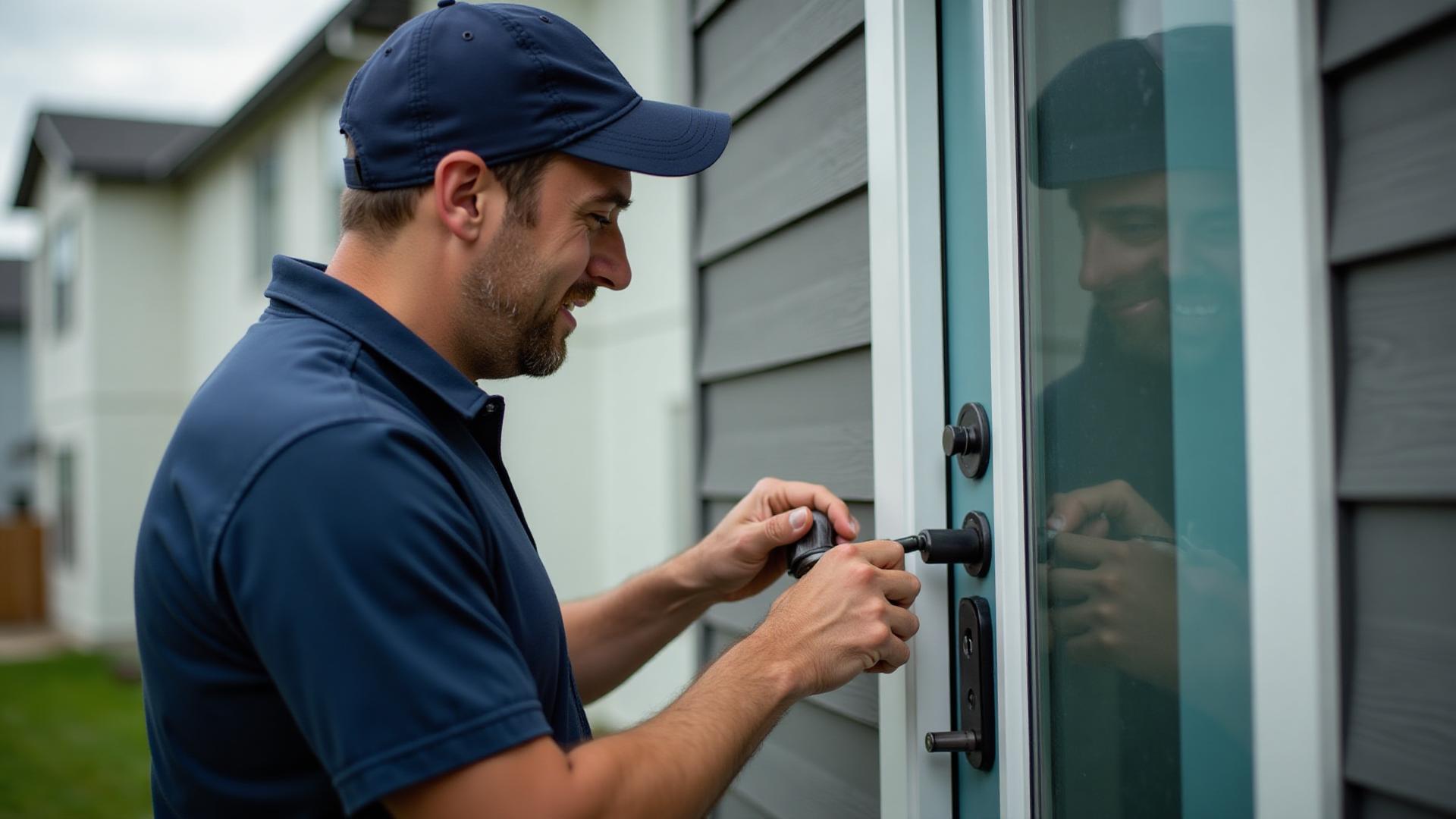
Even the most careful drivers experience lockouts. A dead key fob battery, a worn ignition cylinder, or a child playing with the door lock can all override the best habits. In those moments, knowing that professional help is a phone call away brings peace of mind. The cost of car lockout assistance is a small price compared to the frustration of being stranded or the expense of a damaged door from a DIY attempt.
Choosing a service like LocksmithWire ensures you work with a provider who understands the specific challenges of modern vehicles and can respond quickly, regardless of the hour. They carry the tools and training to handle most lockout scenarios on the first visit, so you are not waiting for a second technician or a different vehicle.
Lockouts are inconvenient, but they are not a crisis. With a little preparation and a reliable locksmith in your contacts, you can handle them calmly and get back on the road quickly. The key is to act before the lockout happens - by building good habits, keeping a spare, and knowing who to call.
Ends · KEYSIDELIVING